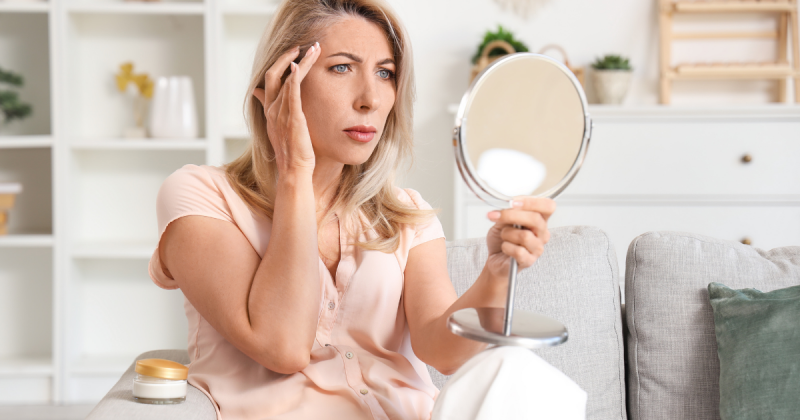
Women spend an extraordinary amount of their lives thinking about appearance—how they look, how they compare, and what it takes to remain attractive in a culture that places enormous value on beauty and youth. For many, it becomes such a constant part of life that they no longer notice how much mental and emotional space it occupies.
Most women don't wake up one morning and decide to make beauty a priority. It happens gradually. They learn which features are considered attractive, which signs of aging should be hidden, and what they are supposed to do to maintain their appearance. Over time, beauty becomes more than something they enjoy. It becomes something they manage.
Today, women are surrounded by more anti-aging options than ever before. There are products, procedures, treatments, injections, devices, supplements, and endless promises designed to help them look younger for longer. What was once considered occasional self-care has, for many women, become an ongoing effort to maintain, improve, preserve, and sometimes even resist the natural process of aging.
What interests me isn't the treatments themselves. It's the reason so many women feel compelled to pursue them. Why does aging feel so personal?
Why can a changing face, a different body, or a few new wrinkles create emotions that seem far larger than the physical changes themselves?
I believe the answer has less to do with beauty and more to do with what beauty has come to represent. For many women, beauty becomes tied to confidence, desirability, relevance, identity, and self-worth. When appearance becomes connected to how we value ourselves, aging is no longer simply a physical experience. It becomes an emotional one.
That realization is what inspired me to write Pretty Isn't the Problem.
As I reflected on my own experiences and spoke with women of different ages and backgrounds, I began to see a common thread. Beneath the conversations about wrinkles, gray hair, weight gain, and beauty treatments were deeper questions about value, identity, acceptance, and what it means to grow older in a society that celebrates youth.
The book isn't an argument against beauty. I enjoy beauty. Most women do. Nor is it a criticism of the choices women make regarding their appearance. Instead, it explores the relationship women have with beauty, youth, aging, comparison, and self-worth, and asks whether beauty was ever meant to carry so much weight in the first place.
Because when all is said and done, the most meaningful parts of our lives are rarely found in the mirror. They are found in the people we love, the experiences we have, the lives we touch, and the memories we create. Yet many women spend years worrying about preserving the reflection while overlooking the life that reflection is living.
Perhaps beauty was never the problem. Perhaps the real question is why we have given it so much power.
Add comment
Comments